
Treatment methods
The method decides whether a treatment destroys the colony or only the insects you can see. We use four and choose by species, property and your situation.
Why the method matters more than product strength
A common assumption is that the result depends on how strong the product is. In practice what decides it is the method — that is, how and where the product is delivered.
An example: against cockroaches, the strongest aerosol gives a worse result than a small amount of gel, because the aerosol scatters the colony while the gel destroys it through the cascade effect. Against bedbugs, chemical treatment does not affect the eggs, but heat kills them outright. In a large warehouse, surface treatment physically cannot reach every zone, but fogging covers it in hours.
So the methods are not interchangeable — each has its place, and the wrong choice means an ineffective treatment regardless of product quality.
Our four methods
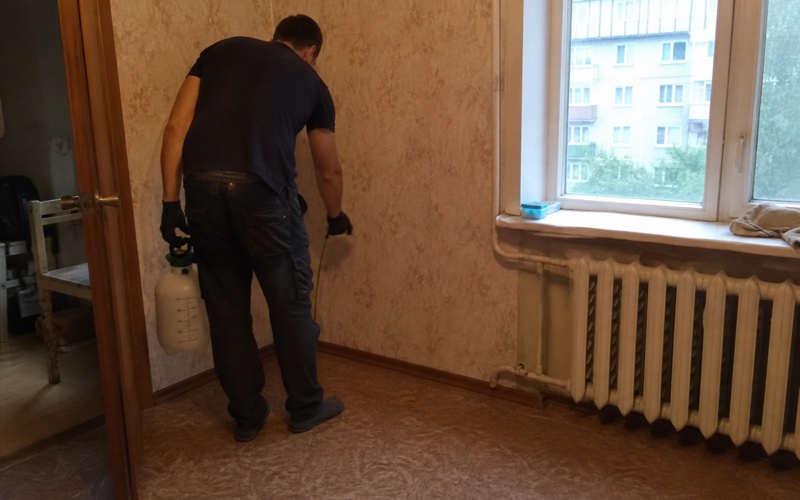
- Residual chemical treatment — the baseline. Microencapsulated products stay active for 4–6 weeks and kill the new generation as it hatches from the eggs.
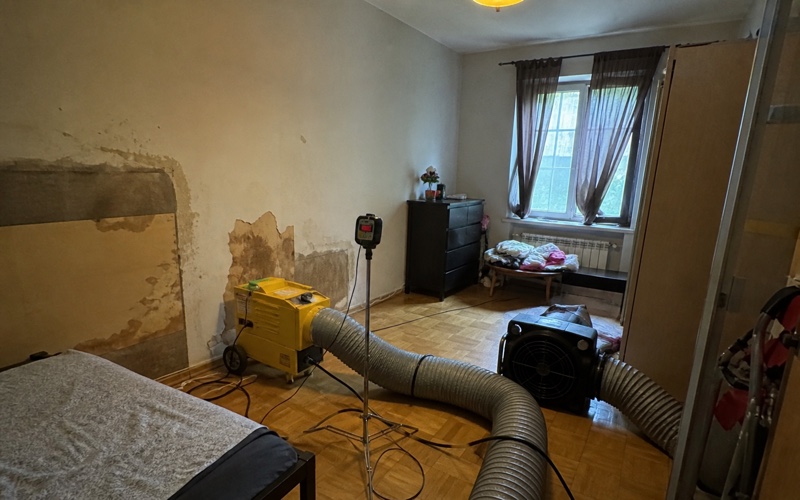
- Heat treatment — no chemicals. The room, or a heat tent, is raised to around 60 °C, which kills every life stage including eggs. Suitable where there are children, pets or allergies.
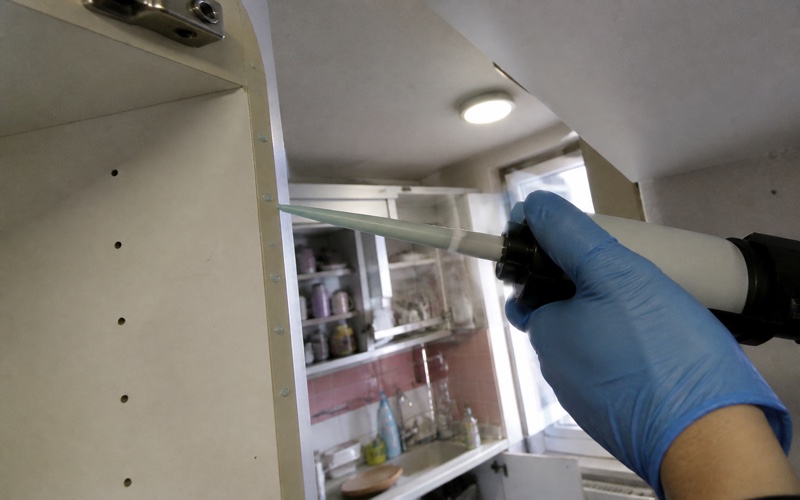
- Gel baits — for cockroaches and ants. The insects carry the product back to the nest themselves. No need to move out or empty cupboards.
- ULV fogging — for large volumes: warehouses, factories, hangars. A fine aerosol reaches places surface treatment cannot.
Often the best answer is a combination
In practice the methods are rarely used in isolation. The most common combination is heat treatment in the affected room plus a chemical barrier at the entry routes — ventilation openings, pipe runs, the door perimeter.
That gives the best of both: the existing colony destroyed without chemicals in the living space, and real, lasting protection against re-entry from neighbouring premises.
If you have a preference or a constraint about method — you don't want chemicals, or you need to be back in the room quickly — say so in the form. We will assess whether it is technically possible in your case, and tell you honestly if it isn't.
What residual effect means
This term appears in almost every method description, and in practice it decides the result more than anything else.
Residual effect means the product stays active on the treated surface for weeks after application. That is critical because almost no insecticide affects insect eggs — they are protected by a tough shell.
Without residual effect what happens is this: the treatment kills every live insect, but 7–14 days later a new generation hatches into a clean environment and the population rebuilds. That is exactly how shop aerosols behave — they lose activity within hours.
With a residual product the new larvae contact the active ingredient as soon as they start moving. This is why treated areas must not be washed for 2–4 weeks — the most common mistake after a treatment.
The one method that needs no residual effect is heat: it kills the eggs immediately.
A quick view of which method usually fits which situation:
| Situation | Usually the best method |
|---|---|
| Bedbugs, children or pets in the home | Heat treatment |
| Cockroaches in an apartment | Gel baits |
| Large warehouse or production site | ULV fogging |
| Most standard situations | Chemical treatment with residual effect |
Treatment methods
Residual chemical treatment
Microencapsulated products active for 4–6 weeks, killing the next generation.
Learn more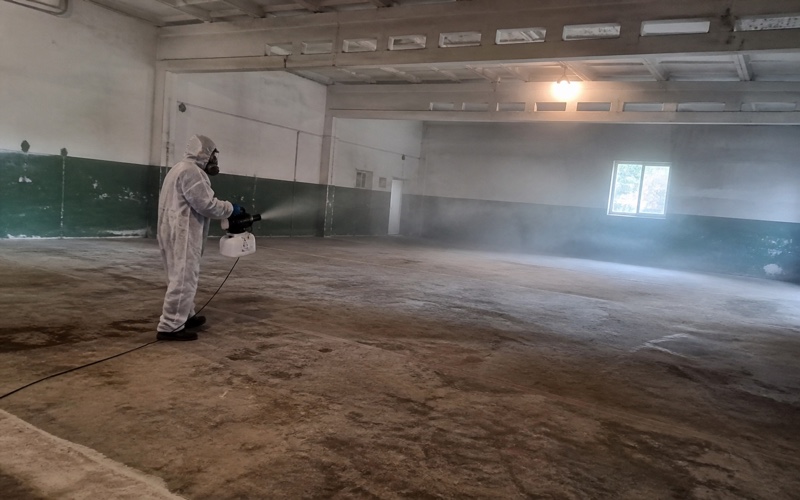
Book a pest control visit
Fill in the form — we reply within 5 minutes. We work weekends and handle urgent callouts.