
Advice and frequently asked questions
Practical information about preparation, safety and what happens after treatment — including honest answers to questions the trade rarely discusses.
Why this section matters
In pest control the result is not decided by the treatment alone. In practice most cases where insects come back are down not to the product or the method, but to what happened before and after the treatment.
The two most common reasons are incomplete preparation — furniture not moved and textiles not washed means untreated zones where the colony survives — and washing off the residual layer a couple of days after treatment, which effectively cancels the whole job.
Both are entirely avoidable if you know what to do. That is why the advice here is specific and practical rather than general.
What you'll find here
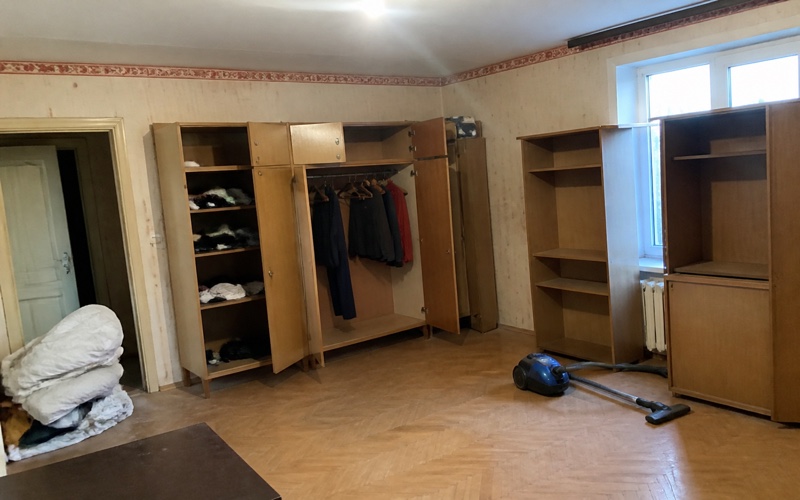
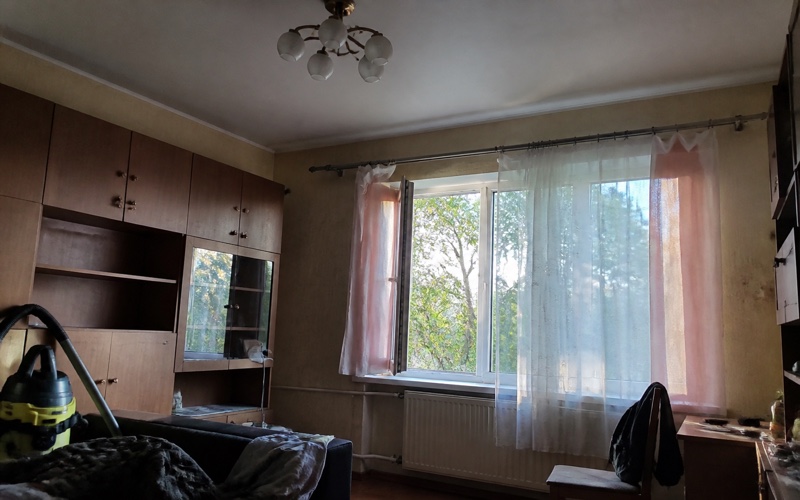
- Before treatment: how to prepare your property — a room-by-room list, and why each step matters.
- After treatment: what to do afterwards — how long to stay out, what you may and may not wash, what to expect over the coming weeks.
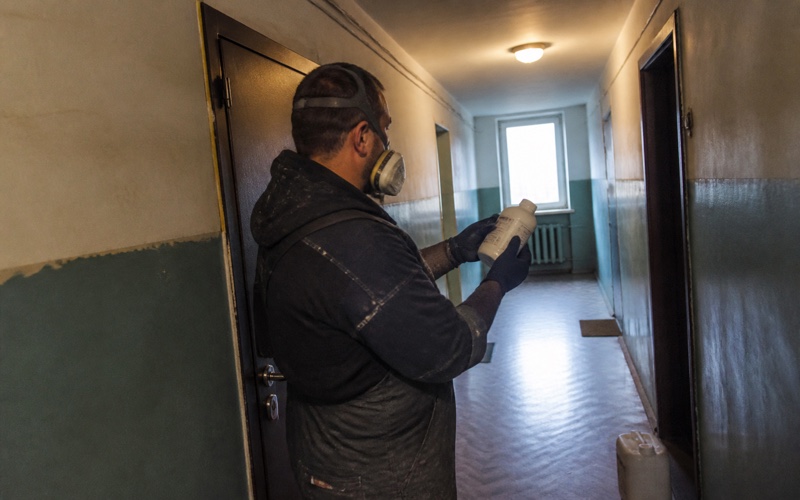
- Safety: is pest control dangerous, plus separate pages for pets and children.
- Honest answers: why pests come back and why shop products don't work — including when DIY actually is enough and you don't need us.
Three things that affect the result most
If you take three things from this whole section, make them these.
- 1
Preparation
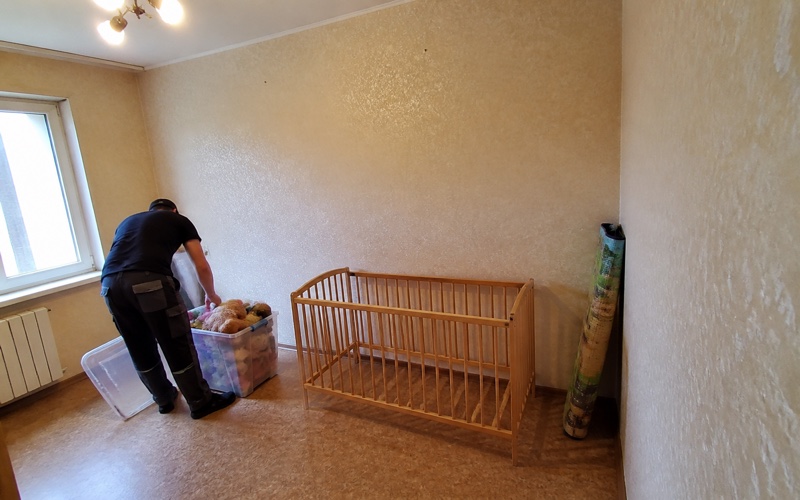
Moving furniture away from walls and washing textiles is not a formality — it decides whether the product reaches the harbourages at all. An untreated zone means a surviving part of the colony.
- 2
Don't wash treated areas for 2–4 weeks
Skirting boards, gaps, furniture joints. The residual layer there is what kills the insects hatching from eggs after the treatment. Washing it off effectively cancels the job.
- 3
Don't spray shop aerosols before professional treatment
They scatter the colony into other rooms and neighbouring apartments, making the later work harder and more expensive.
These three explain most cases where a treatment “didn't help”.
Advice and frequently asked questions
Is pest control dangerous?
How the products work and when to choose the chemical-free method.
Learn more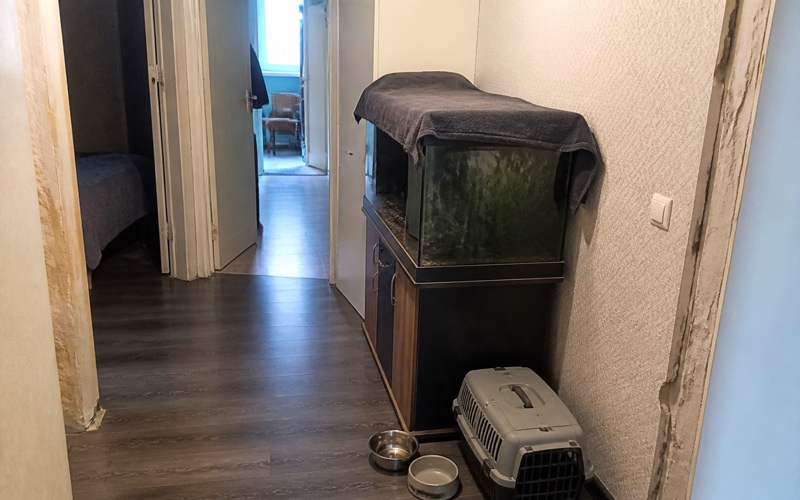
How many treatments you need
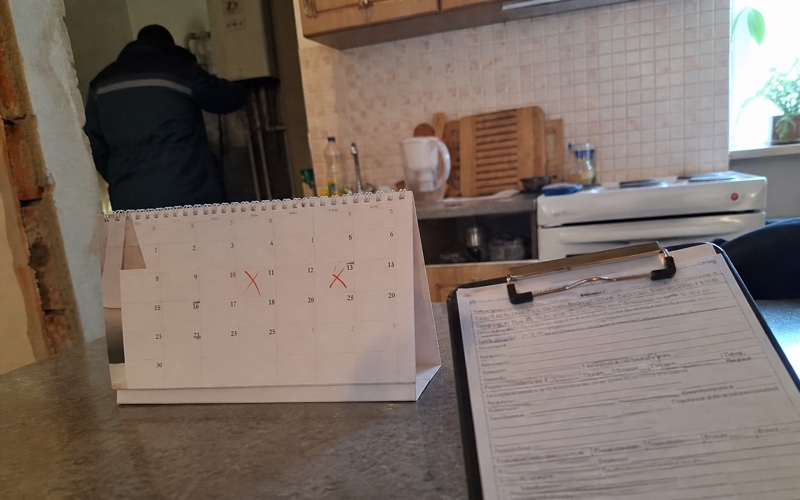
Why bedbugs and fleas often need two, and why that isn't a failure.
Learn more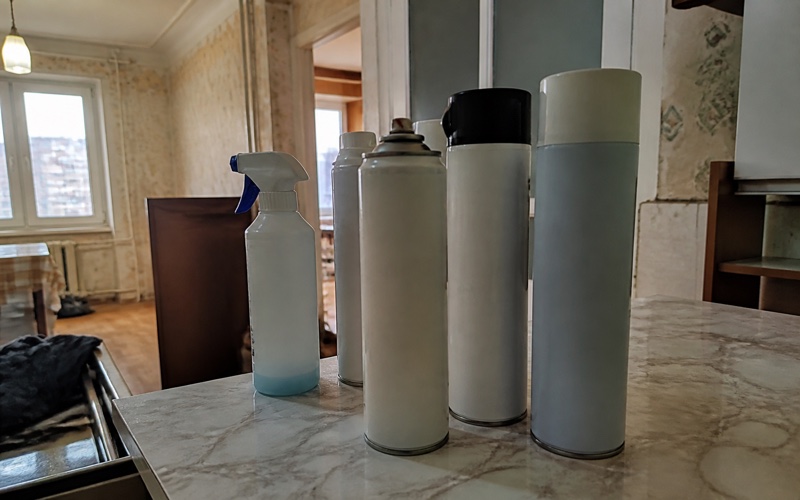
Why shop products don't work
Resistance, eggs and residual effect — and when DIY is actually enough.
Learn more
How to get rid of cockroaches
What actually helps, what makes it worse, and why they return in a block.
Learn more
Book a pest control visit
Fill in the form — we reply within 5 minutes. We work weekends and handle urgent callouts.