
Pests we treat
Choose the insect to see how to identify it and how treatment works. If you aren't sure what it is, that's not a problem — we identify the species on site.
Why identifying the species comes first
In pest control almost everything depends on which insect you are dealing with. The method that destroys a cockroach colony does nothing against bedbugs; a product that works on ants has no effect on moths. So insect control always starts with identification, not with a product.
Every species has its own development cycle, its own harbourages and its own weak point. With bedbugs it is the eggs, which insecticides cannot penetrate. With cockroaches it is the social structure of the colony, which gel bait exploits. With ants it is the queen, without whose removal the colony rebuilds. With fleas it is the pupae, which can wait for months.
This is exactly why treating with a single all-purpose product does not work in practice, and it is the main reason DIY attempts usually fail.
How to choose the right page
If you know the pest, pick it from the list below. Each page covers the signs, the biology, how the treatment runs and what to expect afterwards.
If you aren't sure, start from the other end:
- If you have bites on your skin — see signs and symptoms, which compares bedbug, flea, mosquito and wasp bites.
- If you can see an insect but don't know what it is — see insect identification, which works by room, size and behaviour.
- If you know how it got in — see common situations.
And if none of that works, it isn't a blocker: choose “Not sure / other insect” in the form and describe where and when you see them. We identify the species on site — and that is often safer than guessing, because a wrong identification means the wrong method.
What we do and don't do
We specialise in insect pest control only. We do not carry out rodent control and we do not treat premises against micro-organisms — those are different services with different methods and expertise.
That choice is deliberate. Concentrating on one field lets us know each species' biology and the methods that work in depth, rather than covering several fields superficially.
We work in Riga and the surrounding area, for private customers and businesses alike. See also property types and treatment methods.
Terminology — one job, many names
The same service goes by several names, which can be confusing when you are looking for help.
Pest control is the general term. In Latvian the professional word is dezinsekcija, which means insect control specifically — as opposed to rodent control (deratizācija) or disinfection (dezinfekcija). We do the first only.
You may also see insect extermination, insect treatment or exterminator — all describing the same work.
If you are looking for pest control in an apartment, that is what we call apartment treatment.
What it costs and how long it takes
Prices are on the prices page: one-room apartment from €55, two-room from €60, three-room from €65, a house from €120. For commercial properties we quote after a survey.
We give the exact figure once we have the details — before the work starts, not after.
On timing: we reply to enquiries within 5 minutes and arrange the treatment individually. We work weekends and take urgent callouts.
How long results take depends on the species. Wasps and gnats: days. Cockroaches: 2–4 weeks. Bedbugs: 2–3 weeks, often with a second treatment after 10–14 days. Heat treatment frequently resolves bedbugs in a single visit.
Pests we treat
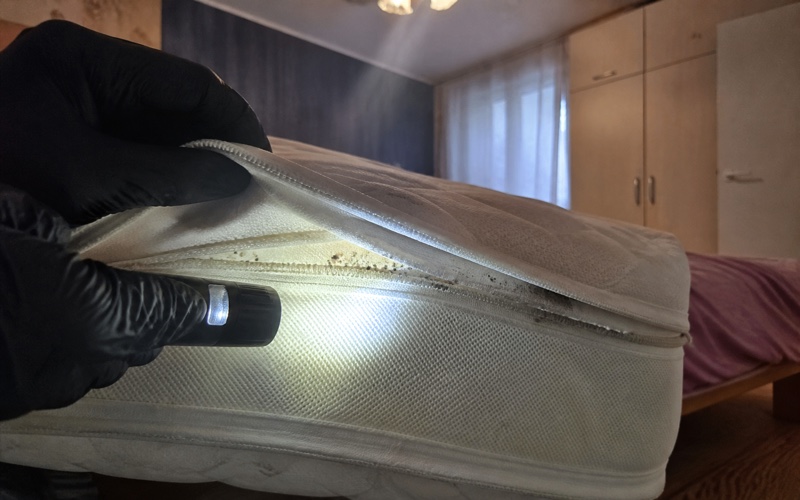
Bedbug treatment
Bites in a row noticed each morning, dark specks in the mattress seams. Chemical and heat treatment that reaches the eggs.
Learn more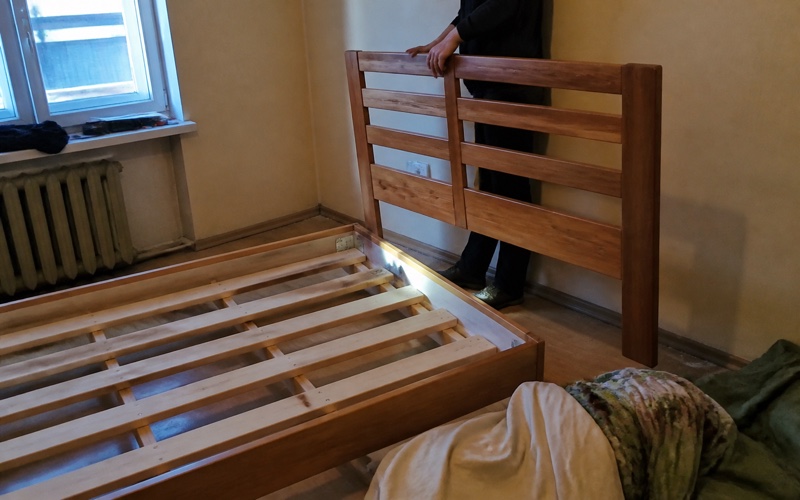
Bed bugs — getting rid of them
They live exactly where you sleep: mattress seams, frame joints, behind the headboard.
Learn more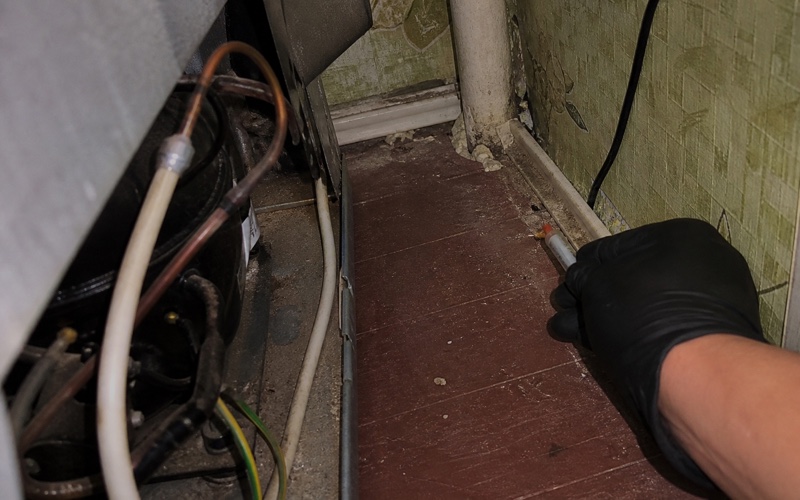
Cockroach control
Gel bait reaching the whole colony. No need to move out or empty cupboards.
Learn more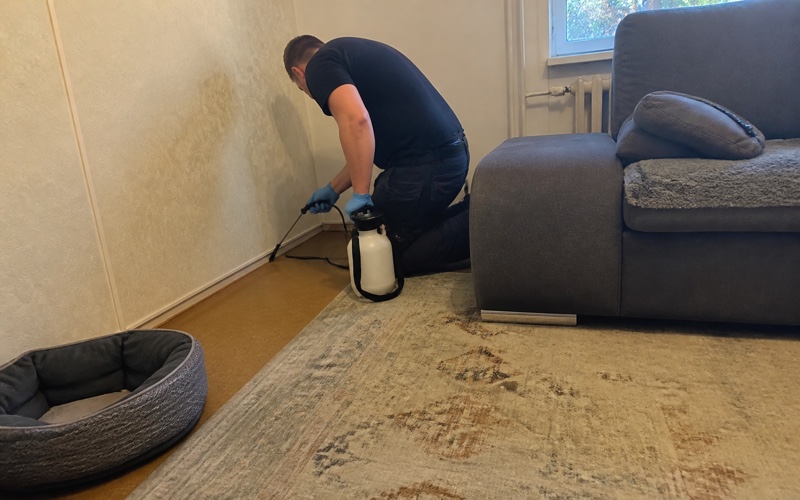
Flea treatment
Bites on ankles and lower legs. We treat floor level, carpets and the pet's bedding.
Learn more
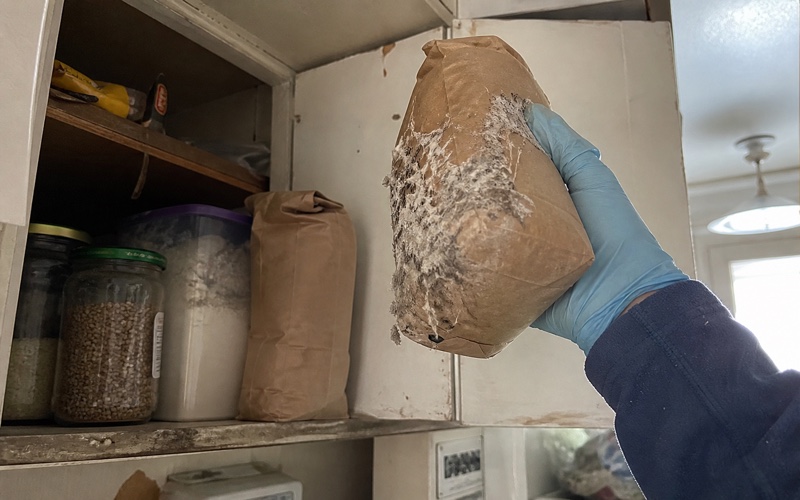
Pantry moth control
Webbing and larvae in flour, grains and dry pet food. Source removal and cupboard treatment.
Learn more
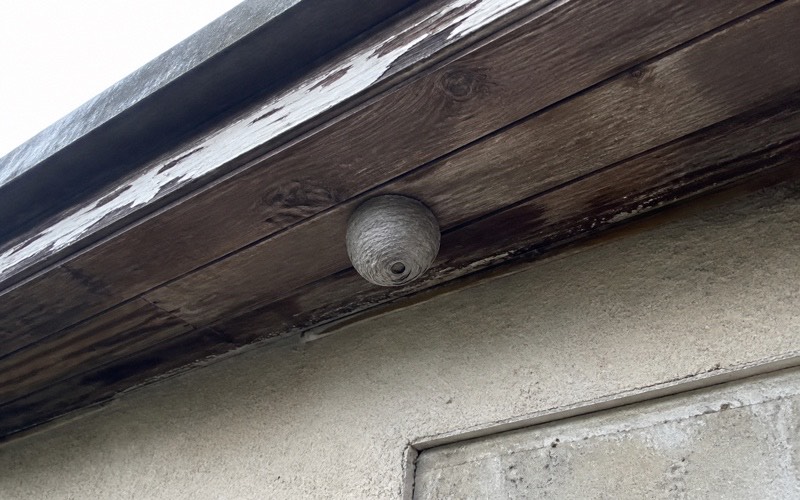
Wasp nest removal
Nests in lofts, under roof edges or in wall cavities. Safe removal with protective equipment.
Learn more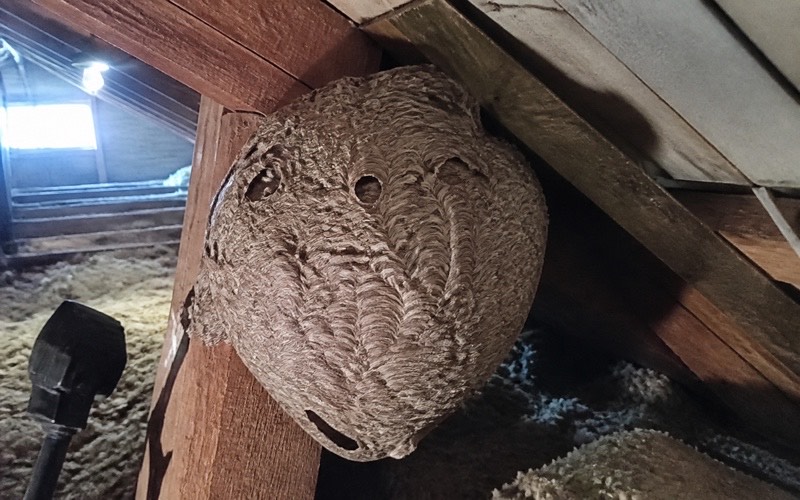
Hornet nest removal
Larger and louder than wasps, and active at dusk. Full protective suit, evening work.
Learn more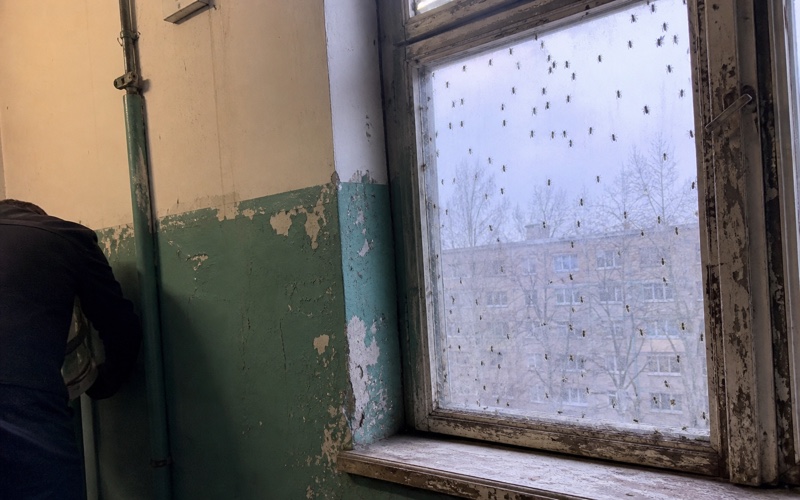
Fly control indoors
Large numbers of flies almost always mean a breeding site in the building, not flies coming in.
Learn more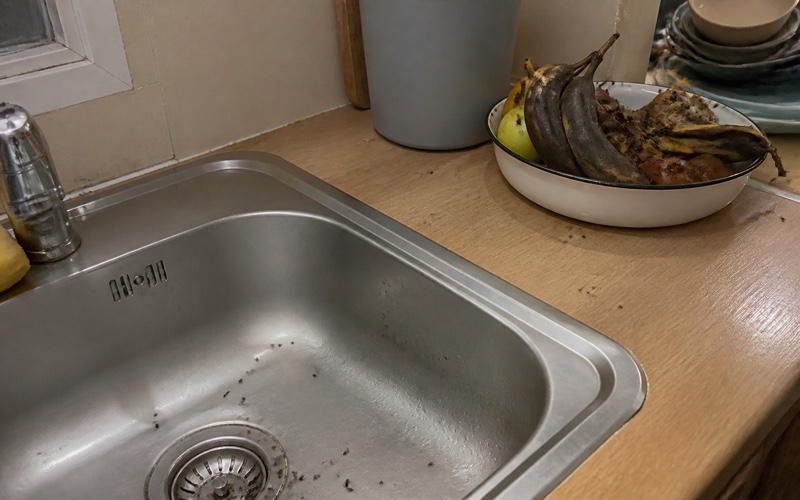
Gnats in the apartment
Fruit flies, drain flies and fungus gnats breed in three completely different places.
Learn more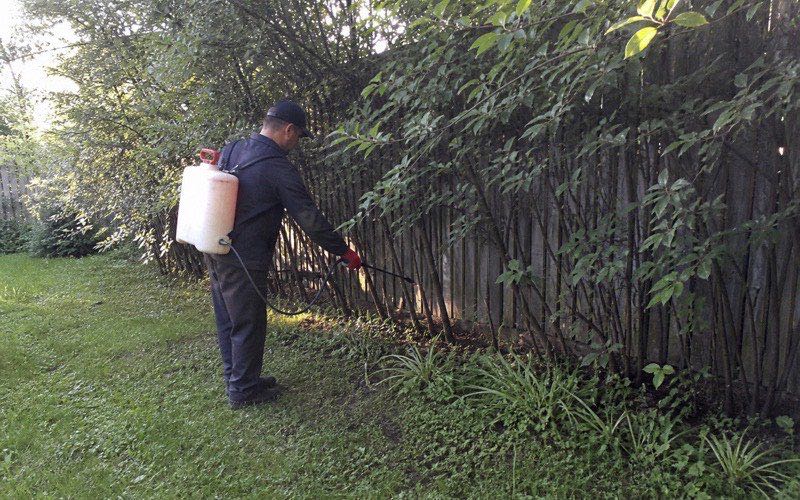
Mosquito control on grounds
Barrier treatment of vegetation plus removing standing water where larvae develop.
Learn more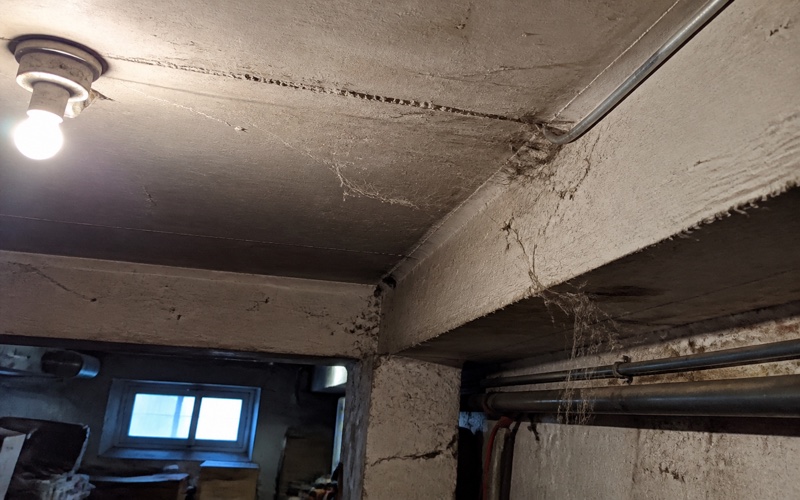
Spider control
Large numbers usually mean plenty of other insects to catch. We remove webs and egg sacs first.
Learn more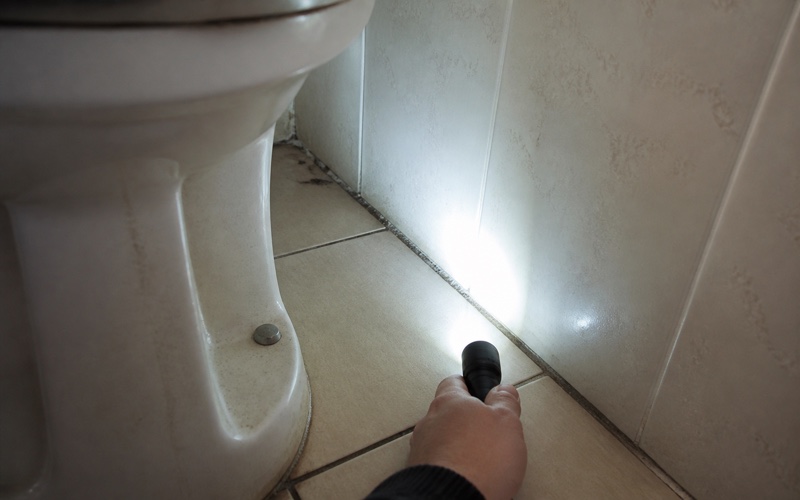
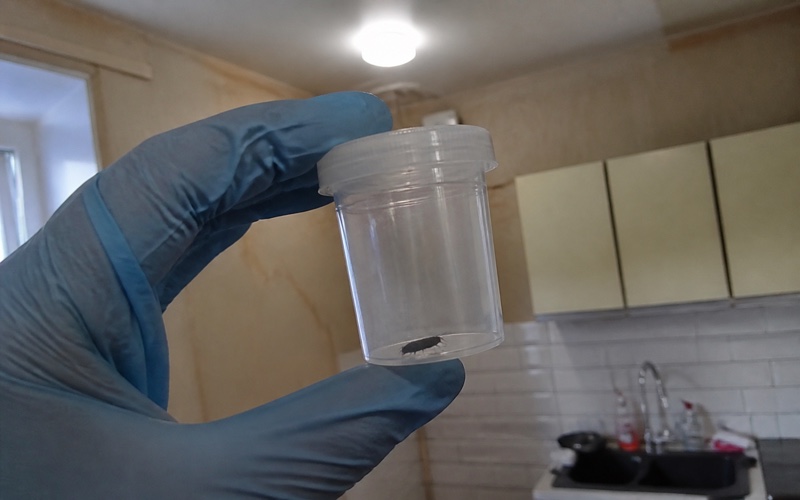
Beetle control indoors
Stored-product, carpet and other beetles. Identification decides the method.
Learn more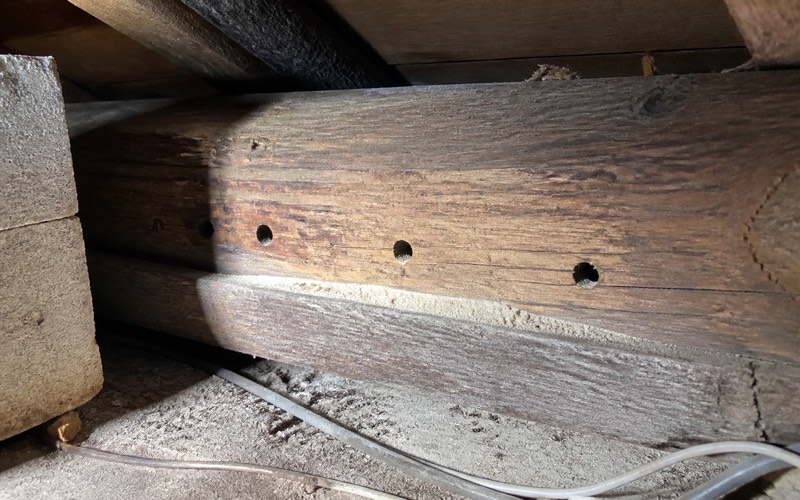
Woodworm treatment
Small round holes and fine pale dust on beams. The product has to reach inside the timber.
Learn more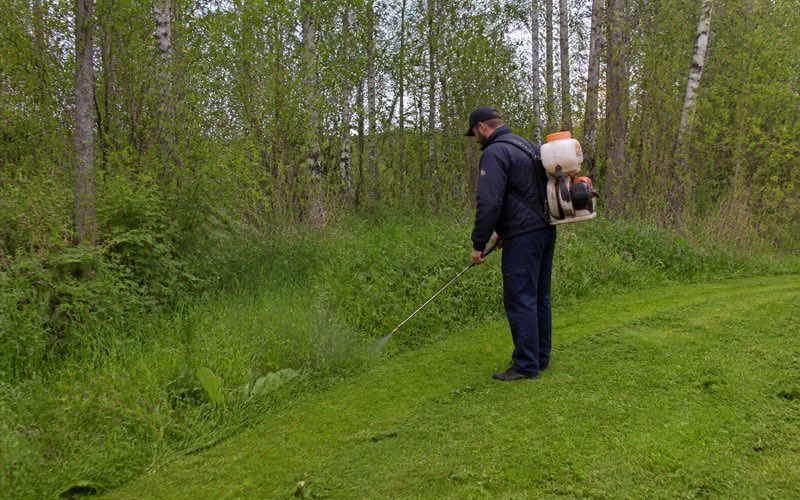
Tick treatment on grounds
Lawn edges, shrub bases and leaf litter — where ticks actually wait.
Learn more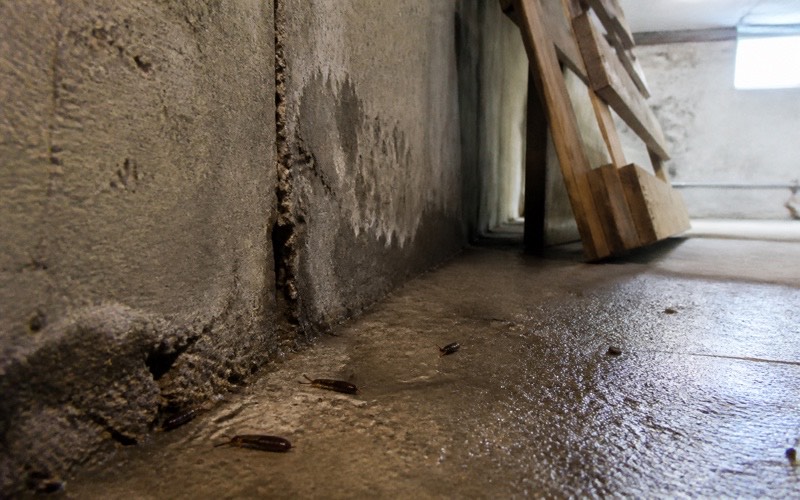
Earwig control
Harmless despite the look, but a sign of damp and organic debris against the walls.
Learn moreBook a pest control visit
Fill in the form — we reply within 5 minutes. We work weekends and handle urgent callouts.