
Insect identification
Before deciding what to do, it helps to know what you are dealing with — the species determines the method, and whether treatment is needed at all.
Why identification is worth more than a fast treatment
Identifying an insect is not an academic exercise — the species determines everything else: where to look for the source, which method will work, and whether treatment is needed at all.
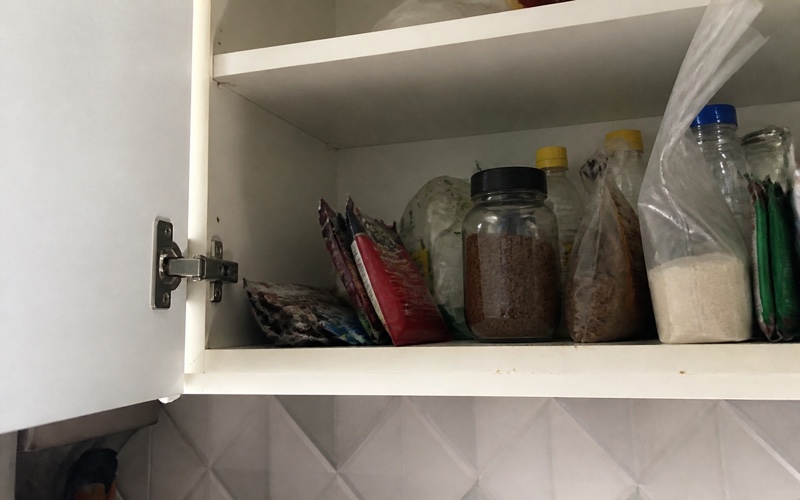
A practical example: small moths in the kitchen and small moths in the wardrobe are two different species with completely different sources. Treating the wardrobe when the problem is in a bag of oats achieves nothing.
A second example: in autumn ladybirds and cluster flies come indoors looking for somewhere to overwinter. They do not breed indoors and disappear within a few weeks. Treatment there is a wasted expense, and we say so.
Three ways to identify
- By room. The fastest route — the room narrows the options more than anything else. See insects in the kitchen, in the bathroom, in the bedroom.
- By appearance and behaviour. Size, colour, and whether it flies, jumps or crawls. See small insects in an apartment.
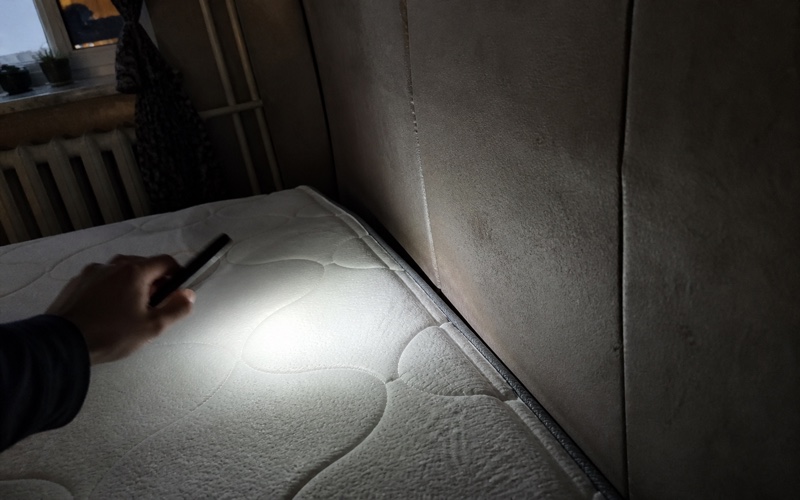
- By the signs rather than the insect. You will rarely see a bedbug, but its traces are distinctive. See how to identify bedbugs.
If you can't identify it
That is not a blocker and not a reason to delay. Choose “Not sure / other insect” in the form and describe where and when you see them, the rough size, and whether they fly, jump or crawl.
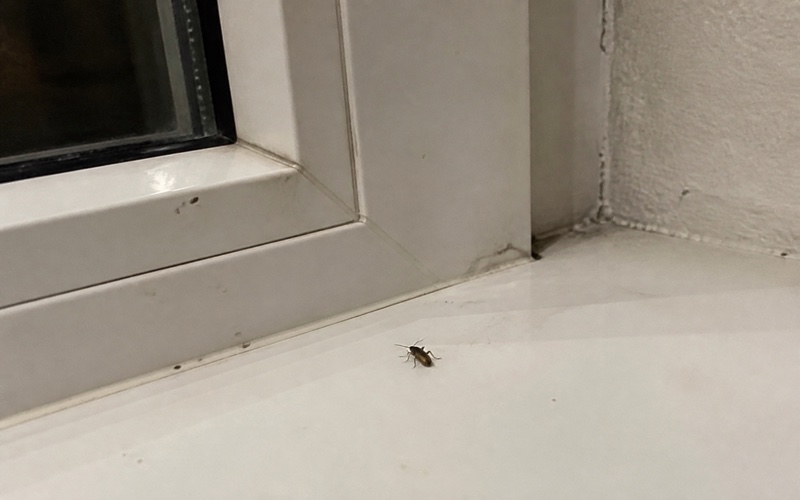
If you can, keep one specimen in a sealed container or photograph it — that lets us identify the species reliably on site.
An honest “I don't know” is better than a wrong guess: a misidentified species leads to the wrong method and an ineffective treatment.
When treatment isn't needed
This is the part pest control companies usually don't emphasise, but it matters.
- Autumn arrivals. In October and November ladybirds, cluster flies and other outdoor species come inside looking for somewhere to overwinter. They do not breed indoors, do not damage anything and disappear by spring. Collecting them and sealing window gaps is enough.
- A few spiders in a basement or loft are a normal part of a building's ecosystem and useful — they eat other insects.
- One insect that flew in — a wasp, a fly, a beetle — is not an infestation. It becomes a problem only if they appear repeatedly over several days, which points to a nest or a breeding site.
If a survey shows one of these, we tell you and do not push a treatment.
Insect identification
Book a pest control visit
Fill in the form — we reply within 5 minutes. We work weekends and handle urgent callouts.