
Signs and symptoms
Often the first sign of insects is not the insect but the bites. These pages help you work out which one bit you and what to do next.
Why bites are usually the first sign
Most indoor pests are not noticed straight away. Bedbugs are nocturnal and hide in narrow gaps; fleas are small and fast; both are usually spotted only once the population has grown.
So the first sign is typically not the insect itself but insect bites — and that raises the question of which insect bit you and what to do about it.
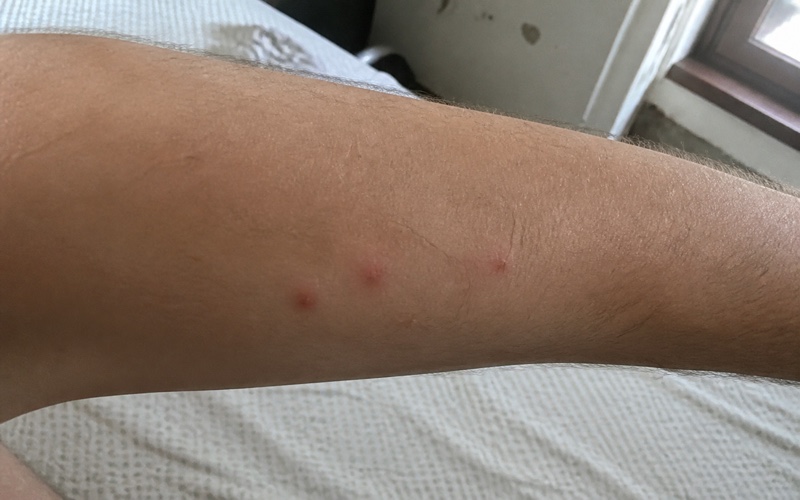
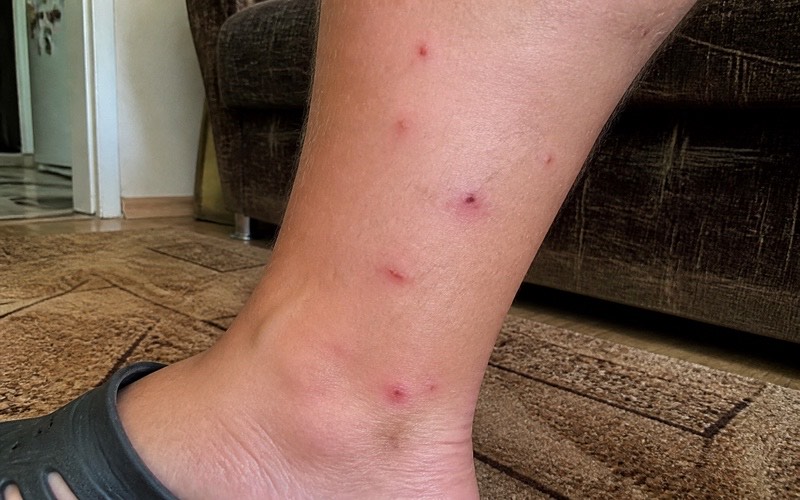
The good news is that bites can be told apart fairly reliably by three things: where on the body they are, how they are arranged, and when you notice them. Fleas bite the legs and ankles and the itch starts immediately; bedbugs bite exposed skin in bed, often in a line, and the bites are noticed only in the morning.
Bites are a symptom, not the cause
Whichever insect bit you, one principle holds: while there is a population in the property, new bites will keep appearing. Skin care does not solve it.
So after noticing bites the first step is not to look for a cream but to check whether there are physical signs of insects in the property — droppings, shed skins, eggs or the insects themselves.
If signs confirm it, see the relevant pest page. If there are no signs at all, the cause may not be insects — and then treatment will not fix anything. See insect bites compared.
An important note
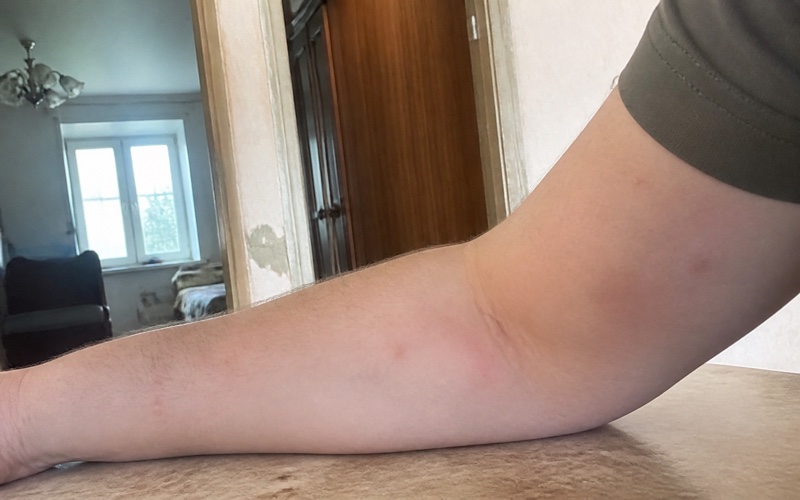
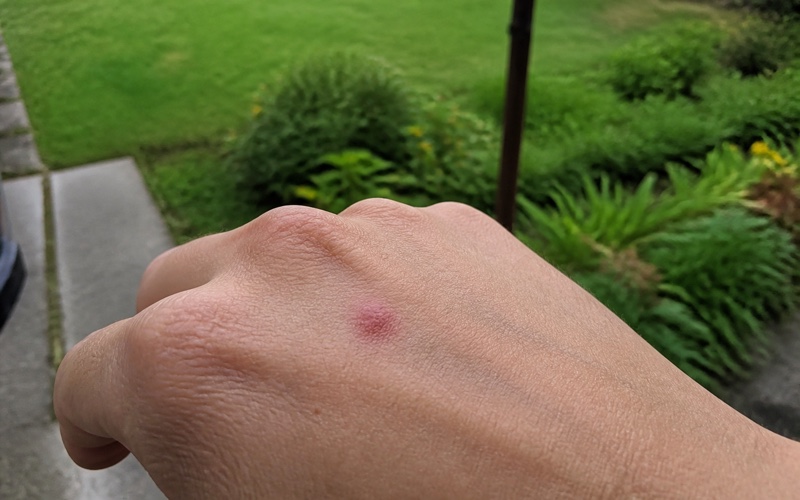
If bites cause a strong reaction, spread widely or do not clear, see a doctor. For a wasp or bee sting with breathing difficulty or a widespread rash, call emergency services.
Signs and symptoms
Book a pest control visit
Fill in the form — we reply within 5 minutes. We work weekends and handle urgent callouts.