
Beetle control indoors
The word beetle covers a huge range of insects, and the species decides everything - where it breeds, what it damages and how it is treated. So the first step is always identification.
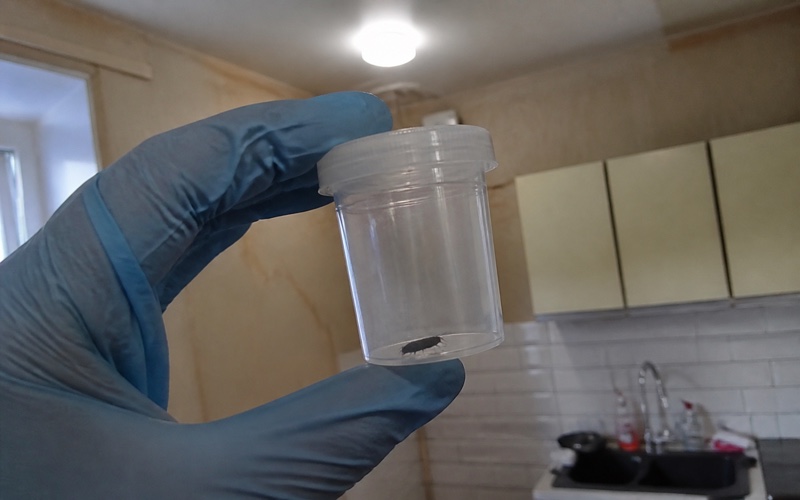
How to spot it
Beetles in the food cupboard
Small dark beetles in flour, cereals or dry pet food - stored product pests.
Beetles in the wardrobe
Carpet beetles and their larvae damage wool, fur and natural rugs.
Beetles at the window
Often species that have flown in by accident or are looking for somewhere to overwinter - these do no damage.
Holes in timber
Small round holes and fine powder point to woodworm, which is a separate problem.
Hairy larvae under furniture
Bristly, carrot-shaped larvae along skirting boards and under rugs are carpet beetle larvae.
Working out what you are dealing with
Accurate treatment depends on knowing where the beetle was found and what it is damaging:
- Stored product pests - in flour, cereals, nuts and dry pet food. The approach is similar to pantry moths: remove the source and treat the cupboards.
- Carpet beetles - the larvae feed on natural fibres and damage wool, fur and rugs. They are frequently confused with clothes moths.
- Woodboring beetles - these damage timber structures and need a different method entirely: see woodworm.
- Accidental arrivals - ladybirds, ground beetles and others looking for somewhere to overwinter in autumn. They do not breed indoors and treatment is usually unnecessary.
It helps to say in your enquiry where the beetles were found and whether you have noticed any damage - that lets us arrive with the right approach.
Carpet beetles - the most commonly missed
Carpet beetle damage is regularly blamed on moths, and the treatment differs, so it is worth knowing the difference. The adult beetle is small, rounded and mottled, and is usually found at a window - it feeds on pollen outdoors and is harmless.
The larva is the pest. It is bristly, moves slowly, and grazes on wool, fur, feathers and natural rugs, particularly in undisturbed places: under a heavy sofa, at the edge of a rug beneath furniture, in the back of a wardrobe. Unlike moth damage, which tends to produce clean holes, carpet beetle damage often looks like thinning or bare patches, and you will find shed larval skins nearby.
How the treatment is carried out
Once the species is identified, the source is removed - infested products, textiles or material - and we carry out a targeted treatment where the insects develop and hide.
For stored product pests that means emptying and treating the cupboards, shelf joints and corners. For carpet beetles it means the edges of rugs, under and behind furniture, skirting boards and wardrobe interiors, with heat treatment available for valuable textiles.
If it turns out you are dealing with accidental arrivals, we say so plainly: in that case sweeping them up and sealing the gaps is enough, and treatment is not needed. There is no point charging for a treatment that solves nothing.
Preventing a return
- Store dry goods in airtight containers and check new packets, especially damaged ones.
- Vacuum under heavy furniture a few times a year - that is precisely where carpet beetle larvae survive.
- Clean wool and fur before storing, and keep seasonal items in sealed bags.
- Seal gaps around windows before autumn to reduce the number of overwintering species coming in.
- Check bird nests under eaves and in vents, which are a common source of carpet beetles entering a loft.
Beetles in stored food
Several beetles infest dry goods, and although the species differ the approach is the same. Flour beetles, sawtoothed grain beetles, spider beetles and biscuit beetles all breed inside stored products and can chew through paper and thin film to reach them.
The tell-tale signs are small dark beetles walking on shelf surfaces, a fine dusty residue in the bottom of a packet, and grain or flour that has gone stale or sour-smelling. As with pantry moths, an unopened packet is not a guarantee - the infestation frequently comes in from the shop.
The remedy has three parts: dispose of infested products, treat the cupboard structure where beetles hide in joints and corners, and switch to airtight storage afterwards. Freezing suspect items for 72 hours is a useful way to save food you do not want to throw out.
Beetles that are not a problem
A meaningful share of the beetle enquiries we get turn out to need no treatment at all, and it saves everyone time to recognise those.
- Ladybirds clustering at a window or in a loft in autumn are overwintering, not breeding. They leave in spring.
- Ground beetles - large, black, fast-moving - wander in through a door and cannot breed indoors.
- Weevils on a windowsill in spring have usually come in from a garden and are a plant issue outdoors, not an indoor one.
- Click beetles and longhorn beetles found singly in summer have flown in through an open window.
In all these cases sealing gaps around windows and doors and vacuuming them up is the whole answer. If you are unsure which category you are in, that is exactly what the identification step is for.
Book a pest control visit
Fill in the form — we reply within 5 minutes. We work weekends and handle urgent callouts.