
Pantry moth control in a warehouse
In a warehouse pantry moths cause direct financial loss: damaged product, rejected consignments and non-compliance at audit. The scale calls for a different approach from a kitchen cupboard.
Why a warehouse needs a different method
In a household, a moth problem is solved by throwing out the infested product and treating the cupboard. In a warehouse that is not possible: volumes are large, goods sit on pallets and high racking, and stock cannot simply be discarded without a loss assessment.
So the method here is ULV or hot fogging, which treats the whole air volume of the space, penetrating gaps between pallets, rack joints and structural voids where the adult moths rest.
Pheromone monitoring as the foundation
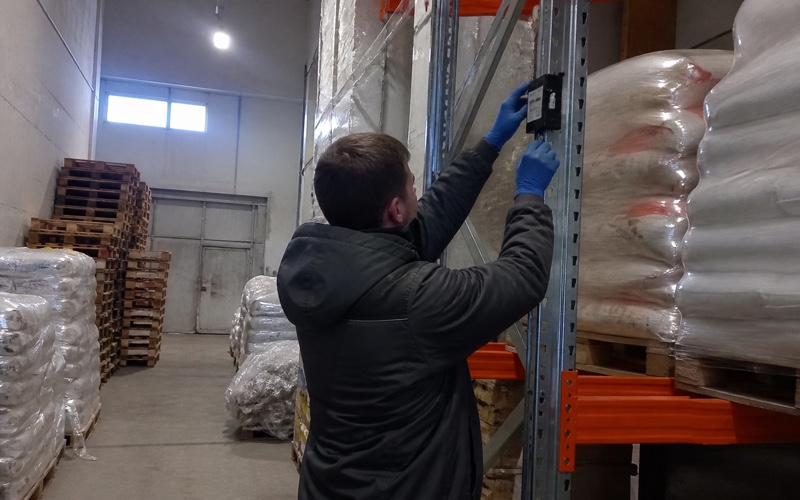
In a warehouse monitoring is not an add-on — it is the primary tool. Pheromone traps attract males and show whether a population is present, how large it is and, most importantly, which zone it is concentrated in.
That allows the source to be localised to a specific pallet, rack or consignment rather than treating the whole warehouse blindly. Recorded regularly, the data also shows whether the problem is arriving with a particular supplier.
Protecting stock and planning the work
Before treatment we agree which zones and goods are covered or removed. For food products we use only products approved for the purpose.
We schedule the work when no goods are moving — usually at night or at weekends — so logistics are unaffected. After fogging, airing and particle settling take 2–4 hours.
Grain and bulk stores
In grain silos and bulk stores the pests develop inside the product, where fogging cannot reach. In such properties treatment is planned around the emptying cycle — an empty store is treated before a new consignment goes in.
Cleaning between consignments matters just as much: old product residue in the structure is the most common source of re-infestation.
Reducing the risk of introduction
In a warehouse moths are almost always brought in with product, so control starts at goods-in rather than on the racking.
- Check incoming consignments — especially bulk goods and product from new suppliers.
- Monitoring points at goods-in — this is what shows which delivery the problem arrives with.
- FIFO stock rotation so product does not stand for long periods.
- Keep pallets off the floor and leave a gap to the walls so visual inspection is possible.
- Clean between consignments — residue in the structure is the commonest source of recurrence.
- Isolate damaged packaging immediately rather than leaving it on the rack.
Book: pantry moth control in a warehouse
Fill in the form — we reply within 5 minutes and quote a price before any work starts.