
Pest control in gyms and salons
In premises with constant client flow and a lot of textiles — gyms, salons, spas — a pest problem quickly becomes a reputation problem. The requirement here is equally strict on the result and on discretion.
Where the problems start
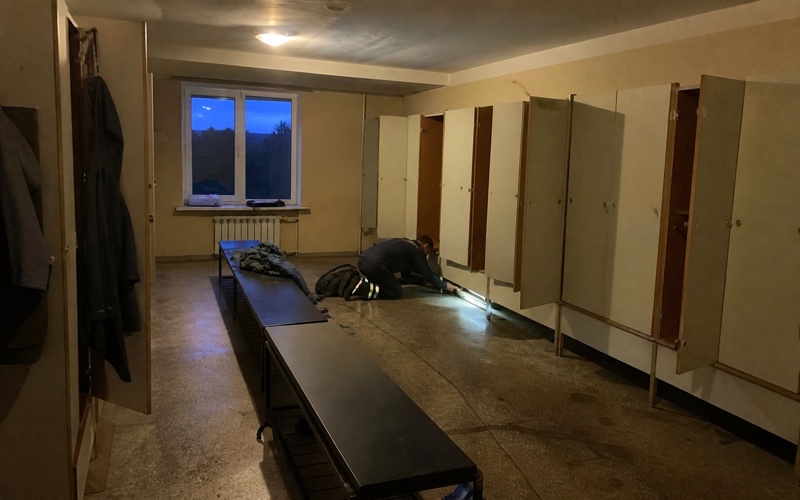
The risk zones are wherever heat, moisture and textiles come together: changing rooms and lockers, showers, the laundry room, the seating area with soft furniture, and the staff kitchenette.
In the damp zones you typically find silverfish and drain flies. In soft furniture and changing rooms, less often but more seriously, bedbugs, brought in by clients on bags and clothing.
Bedbugs in a gym or salon are not a hygiene failure. They arrive in a client’s bag from somewhere else entirely, which is why any premises with high client turnover is exposed regardless of how clean it is.
How the work is planned
We treat after closing so the product dries before you open. In textile zones and soft furniture, where chemical treatment is undesirable, we use heat treatment, which leaves no residues.
We work without branded vehicles or lettering, and plan the visit so clients do not notice anything happened.
Damp and textile turnover
Most recurring problems in this kind of premises trace back to two things: standing moisture and textiles that sit too long.
- Ventilate the wet areas properly. Showers and laundry rooms with poor extraction breed drain flies continuously.
- Clean the drains, not just the floor. Drain flies breed in the film inside the pipe, so surface cleaning does nothing.
- Turn textiles over fast. Towels and robes left in bins overnight are a standing invitation.
- Inspect soft seating regularly, particularly seams and undersides, in any area where clients leave bags.
- Give clients somewhere to put bags that is not the sofa or the treatment bed.
Cost and regular servicing
We quote after a survey, because floor area, the number of zones, the risk level and the working hours vary too much for a published figure.
For premises with high client turnover, regular servicing with monitoring is worth considering. It catches a bedbug introduction while it is still one sofa rather than a whole seating area, and it removes the scenario in which a client is the person who notices.
What to do if a client reports bites
- 1
Take the seating out of use.
The specific sofa, bench or treatment couch, not the whole room, until it has been inspected.
- 2
Do not spray anything.
Shop aerosols scatter bedbugs into adjacent furniture and make the professional job several times larger.
- 3
Bag the textiles.
Seal towels, robes and covers from that area before they travel to the laundry.
- 4
Note where the client was.
Which changing room, which locker, which seat — that defines the inspection scope.
- 5
Get it inspected quickly.
Found in days it is one item; found in a month it is the whole seating area.
Bites reported by a client are not proof of bedbugs on your premises — they may have come from elsewhere — but they are enough reason to inspect, and inspecting costs far less than the alternative.
Damp zones and drains
The most common recurring problem in this kind of premises is not bedbugs but drain flies, and they are consistently treated in the wrong place.
Drain flies breed in the organic film lining the inside of waste pipes and floor gullies. Cleaning the floor around a drain does nothing at all, and neither does spraying the adults, because a new generation emerges within days from a breeding site nobody has touched.
What works is cleaning inside the pipe and the gully itself, mechanically, on a schedule. Where showers and laundry rooms have poor extraction, fixing the ventilation removes the humidity the whole cycle depends on.
We will say so when that is the answer, rather than treating adults every few weeks. Where a treatment is genuinely needed, it is scheduled after closing so the premises open normally.
Book a pest control visit
Fill in the form — we reply within 5 minutes. We work weekends and handle urgent callouts.